Life at the End of the Runway: The Rise of Fly-In Communities and the Freedoms They Offer: Remote Living and Modern Luxury Meet a Passion for Flying
A Thoughtful Lifestyle Choice
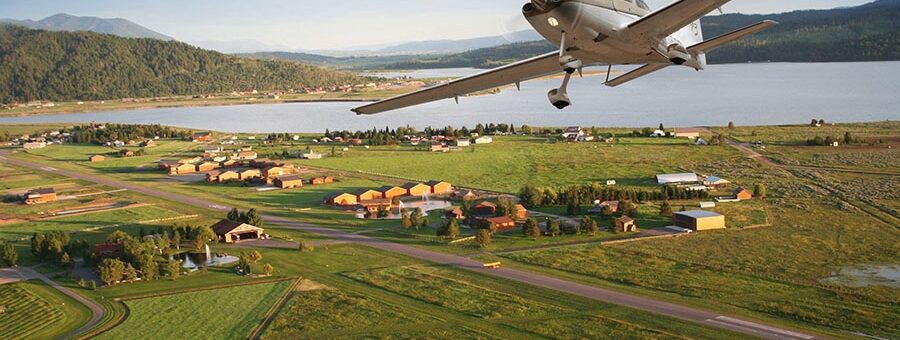
At the most distant edge of the runway, where firm pavement gives way to open sky, a different kind of neighborhood is taking shape. Fly-in communities are no longer a novelty tucked away for a small group of aviation enthusiasts. They have emerged as a deliberate lifestyle choice for anyone who values independence, efficiency, and a strong bond to flight. These communities merge private aviation access with comfortable living, blending rural peace and quiet with modern conveniences in a way few other places make possible.
Devoid of Rigid Departure Times
The appeal is sparked by shear simplicity. Residents wake up in their own homes, walk a short distance to a well-equipped hangar, and depart on their own schedule. There are no security lines, no congested terminals, and no rigid departure times. For pilots and owners of aircraft, this is not just a convenience. It is true freedom in its most practical form. The airplane is now an extension of the home, as natural as a car parked in the driveway.
From Hangars to the Main Runway
Fly-in communities are most often built around a private runway that serves as the core of daily life. Homes are usually arranged so that taxiways meander from individual hangars to the runway. This setup creates a sense of order and purpose, while fostering a shared culture. Neighbors resonate with each other’s passion. Conversations typically center around weather, destinations, aircraft upgrades, or interesting flights. It is a social fabric interwoven by aviation.
Featuring High End Construction
What makes fly-in developments particularly desirable today is how they balance remoteness with comfort. Many are found far from crowded urban centers, flanked by open land, water, or mountain views. Yet the homes themselves are anything but rustic unless that is the owner’s choice. Modern fly-in communities boast high-end construction, thoughtful architecture, and amenities that rival luxury suburbs. Open floor plans, huge pane windows, and custom finishings are the standard. However, rather than a golf cart path or cul de sac, the clearly defining feature is a runway stretching thousands of feet in length.
A Regular Mode of Transportation
Technology has held a key role in the growth of these communities. Advances in general aviation aircraft have made flying easier, increasingly accessible, reliable, and more efficient. Modern avionics streamline navigation and weather tracking. Today engines are exceedingly dependable and fuel efficient. For pilots, flying is no longer limited to weekends or casual trips. It becomes a regular mode of getting around, practical for business trips, family visits, or spur of the moment travel. In short, it is a fun and ultra-convenient lifestyle.
Dedicated Workspaces
The rise of remote work has also changed the dynamics. Professionals who once needed to be within commuting distance of a city now have added flexibility. Living within a fly-in community allows residents to enjoy a quieter environment without sacrificing connectivity. High speed internet, home offices, and dedicated workspaces make it possible to remain fully engaged professionally, while embracing a lifestyle centered on aviation and peaceful surrounding.
Shared Resources
There exists a strong sense of self-reliance inside these communities. Residents plan carefully, evaluating weather patterns, and maintaining their aircraft. This mindset can be seen extending to daily life. People look out for one another, share resources, and lend a hand when necessary. It is not unusual for neighbors to assist with aircraft maintenance, offer advice to newcomers, or coordinate shared flights. The runway becomes a place to gather as much as a functional space.
Culture of Accountability
Safety and responsibility are treated with respect. Private runways require coordination and adherence to shared rules. Pilots communicate and follow established procedures and remain aware of noise restraints. This culture contributes to a feeling of trust within the community. Parents feel confident allowing children to bike along quiet roads. Evenings are serene and peaceful, marked only by the rumble of an arriving aircraft.
Showcase For Prized Aircraft
The design of fly-in residential homes reflects the dual priorities of living and flying. Hangars are normally integrated into the main home or erected just steps away. Hangars are not merely storage space. They are strategically designed workshops, social spaces, or showcases for prized aircraft. It is common to see comfortable furnishings, tools neatly organized, and personal touches that reflect one’s journey as an aviator. For many, the hangar space is as meaningful as the family living room.
Runways Are Carefully Placed
Environmental awareness plays a critical role as well. Many fly-ins today are mindful of protecting the natural surroundings that make these locations so attractive in the first place. Runways are carefully situated to minimize disruption. Homes often incorporate energy efficient systems, natural lighting, and sustainable materials. The intention is to live in harmony with the landscape rather than overpower of interfere.
Sense of Escape
The freedom of fly-in living is not limited to just pilots. Family members find their own rewards as well. Children mature with a unique understanding of aviation and geography, watching aircraft take-off and land as part of daily life. Spouses embrace privacy, space, and sense of escape from crowded urban areas. Visitors often remark on the calmness and the novelty of arriving by air directly to a friend or family home.
Rediscovering the Joy of Exploration
Traveling to and from a fly-in community has a different feeling. A weekend trip might involve flying to a small town, a coastal strip, or a mountain airfield that would be inconvenient to reach by car. The journey itself becomes part of the experience rather than an inconvenience. Pilots rediscover the thrill of exploration, choosing routes for the views as much as efficiency. This in effect reshapes how one thinks about traveling in general.
Preparation and Independence
There is almost an unspoken quiet prestige associated with these fly-in developments, though it is rarely flashy. Luxury lies in control and access rather than excess. Owning a home that has runway access indicates a commitment to an inviting and unique way of life, one that values skill, preparation, and independence. It is a custom lifestyle rarely replicated, which adds to its growing appeal.
Aviation Professionals
As demand increases, developers are responding with more innovative planning and broader offerings. Some fly-in home communities appeal to retirees who want to spend their time flying recreationally and socializing with like-minded aviators. Others appeal to entrepreneurs, business owners, and professionals who see aviation as the ultimate in efficiency. Fly-in parks can be found close to oceans, lakes, deserts, forests, and farmland, each offering a special experience.
Building Lasting Relationships
Despite their growing popularity, these communities remain relatively small and personal. This is part of the charm. Residents tend to know one another, share stories, and build lasting relationships. The runway becomes far more than simply infrastructure. It is indicative of shared experiences and mutual interests.
Sunset Over the Runway
Life at the end of the runway fosters a slower, more intentional rhythm. Even though aircraft enable rapid travel, daily life becomes by default less rushed. Mornings might begin with coffee brewing in the hangar, checking weather forecasts and planning flight routes. Evenings may include watching the sunset over the runway and listening to the last plane of the day on short approach.
Drawn To Aviation
For those attracted to the lure of aviation, this lifestyle reflects natural evolution. Flying is not just something that happens at the big airports. It becomes part of daily life. The limitations of travel, work, and leisure evaporate, with convenience and enjoyment ruling the day.
Space To Breathe
Fly-in living may not be for everyone, but for those who desire this lifestyle, the rewards are many. They offer a unique mix of autonomy, connection, and purpose. In a world that often feels crowded and constrained, living on a runway provides space to breathe again, to move freely, and to pursue a life steeped in the world of aviation.
Declarations of Independence
As more and more people increasingly seek alternatives to conventional homesites, the expansion of total fly-in communities reflects a broader desire for control over time and travel. These neighborhoods are quiet declarations of independence, grounded in shared responsibility and a love of flight. At the end of the runway, residents find not just a place to live, but a way to live on their own terms.
Note that in the US, there has been a nearly tenfold increase in residential airparks since the 1970s alone.