The Evolution of Aircraft Hangars and the Future of these Critical Structures
The Vision – The Potential
JULY 2025
The Dramatic Growth of the Aviation Industry
Aircraft hangars, once nothing more than simple protective structures designed to shield fragile flying machines from the elements, have morphed into complex, technologically advanced facilities integral to modern aviation. Their development parallels the dramatic growth of the aviation industry itself—from the crude canvas-and-wood biplanes of the early 20th century to the composite-crafted, AI-managed aircraft of today. As the aviation industry continues to adapt and transform under the influence of artificial intelligence (AI), quantum computing, and sustainability mandates, aircraft hangars are clearly on the cusp of significant changes.
A Brief History of Aircraft Hangars
The origins of today’s hangars can be traced back to the early 1900s, when iconic aviation pioneers like the Wright brothers sought reliable and simple storage for their delicate flying machines. These earliest buildings were very rudimentary—typically constructed of wood or canvas and erected purely to protect fragile aircraft from adverse weather conditions.
During World War I and World War II, hangars became far more strategic in purpose. Military applications required larger, more durable structures, fortified with steel frames and reinforced concrete. These hangars were eventually tasked with protecting large fleets of fighter airplanes, bombers, and reconnaissance aircraft, with their designs quickly evolving to better handle maintenance, fueling, and armament related operations.
Following the wartime era, commercial aviation would abruptly take off, with hangars growing in scope, size, and complexity to house the newer generation of jetliners, such as the larger-footprint Boeing 707 and the Douglas DC-8. As a result, airport infrastructure became more sophisticated, incorporating lighting, fire suppression systems, and specialized areas for aircraft repair and overhaul. Hangars were now not only storage facilities but also central hubs for aircraft maintenance and logistics.
Modern-Day Aircraft Hangars
Today’s innovative aircraft hangar designs are multifunctional facilities with a strong focus on operational efficiency, safety, and sustainability. Aircraft hangars at major international airports and military installations now serve a full range of unique functions, as we can see here:
Maintenance, Repair, and Overhaul (MRO): Complex hangars are increasingly equipped with heavy-duty lifting cranes, docking stations, and sophisticated digital diagnostic equipment that performs complex maintenance on aircraft engines, systems, and structural components.
Materials and Technology: Modern hangars are now designed and built with highly advanced materials like corrosion-resistant high-strength steel, ultra-high-performance concrete, and even carbon fiber composites in some of the more advanced structures.
Automation and Control Systems: Temperature control technology, high-flow ventilation systems, as well as complex fire suppression, are now all fully automated. Many hangars today make use of programmable logic controllers (PLCs) and building management systems (BMS) for improved overall operational efficiency.
Green Architecture: Energy-efficient, planet-friendly designs now include solar panels, LED lighting, rainwater capture systems, and state-of-the-art insulation, significantly reducing environmental impact.
Safety and Security: Digital biometric access controls, AI-powered surveillance technology, and smart sensors are increasingly becoming the new standard in high-security focused airplane hangars.
The Main Drivers of Change in Hangar Design and Functionality
Here are several notable trends that are fast reshaping the way hangars are built and used:
Increased Aircraft Size: The adoption and acceptance of wide-body aircraft, such as the double-decker Airbus A380, required a substantial redesign of traditional hangar space, door functionality, and support systems.
Urban Air Mobility (UAM): The introduction of electric vertical takeoff and landing (eVTOL) aircraft calls for a new kind of hangar—compact, modular, and better suited for higher-frequency flight operations, especially in congested urban environments.
Climate Change and Regulation: With ever increasing mandates cast upon the aviation industry to reduce carbon emissions, hangars are by default becoming more planet friendly through LEED certification, renewable energy use, and more sustainable building materials.
Digital Transformation: Technologies like digital twins, IoT sensors, and 3D scanning are already enhancing operational efficiency and predictive maintenance within today’s state-of-the-art hangars.
The Role of Artificial Intelligence in Future Aircraft Hangars
Artificial Intelligence has become a big deal in recent days and is poised to radically revolutionize hangar operations across several metrics, as outlined here:
Predictive Maintenance: AI algorithms analyze data from aircraft onboard sensors to predict component failures long before they occur. Hangars can anticipate replacement parts and allocate labor more efficiently, reducing aircraft out-of-service events and downtime.
Autonomous Ground Operations: AI-driven robots, as well as autonomous equipment and vehicles, can take care of refueling, towing, cleaning, and even limited maintenance tasks. This not only improves safety but also lowers labor costs.
Inventory and Workflow Management: AI systems can easily optimize parts inventory by analyzing historical usage patterns, ensuring that the most appropriate parts are available without excessive and costly parts stockpiling.
Enhanced Safety Monitoring: Computer vision and AI-powered surveillance systems can quickly identify and act upon potential safety hazards, unauthorized personnel, or suspicious activity in real-time.
Digital Twin Integration: AI can power the real-time simulation of aircraft and hangar systems, allowing operators to test procedures, train staff, and detect issues long before they can impact real-world flight operations.
Quantum Computing and its Future Impact
While quantum computing is clearly still in its infancy, its potential impact on aircraft hangar functionality, aviation operations, and logistics will likely be highly transformative:
Optimization of Complex Systems: Quantum computers can solve optimization problems that are far beyond the reach of classical computational systems. In the airplane hangar context, this could mean streamlining the scheduling of aircraft maintenance across multiple aircraft types based upon availability windows.
Material Science Innovations: Quantum computer simulations will likely lead to the development of new and innovative building materials for hangar construction, including stronger, lighter, and more sustainable composites that can better withstand environmental and age-related stress.
Advanced Encryption and Cybersecurity: Cutting-edge quantum encryption technologies will certainly dramatically enhance the security and protection of sensitive data, from aircraft schematics to logistics and personnel records stored and transmitted within hangar ecosystems.
Simulation of Aerodynamic and Environmental Factors: Quantum-enhanced modeling will eventually simulate airflow and weather patterns more precisely, resulting in the smarter designing of hangar ventilation and climate control systems.
The Quickly Changing Aviation Landscape: The Implications for Aircraft Hangars
The very nature of aviation is constantly shifting, and as such, hangars must evolve in parallel. Some of the most significant changes on the horizon include the following:
Electrification of Aircraft: Electric-powered aircraft will demand new charging port infrastructure. Hangars will, as a necessity, incorporate high-voltage charging systems, battery system diagnostics, and safe storage solutions for lithium-ion cells.
Autonomous Aircraft: Drones and unmanned aircraft systems (UAS) will increasingly require new types of hangars—smaller, modular, and network-connected for remote diagnostics and control as well as for high-frequency deployment.
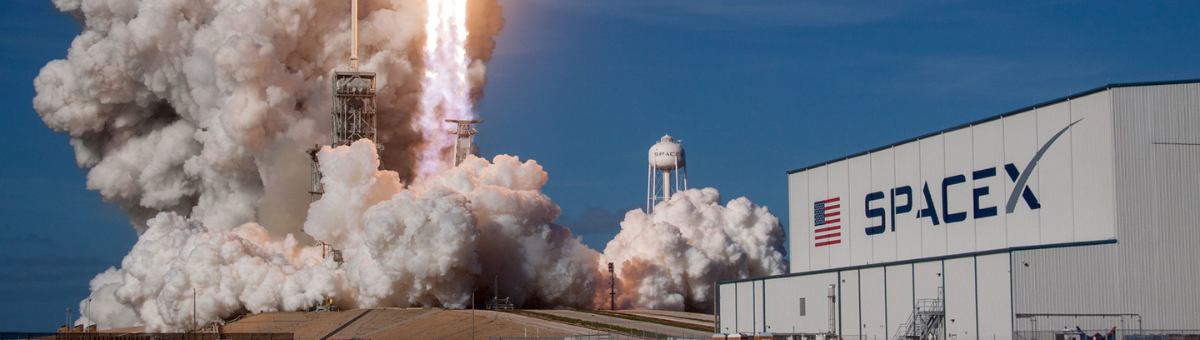
Space Tourism and Suborbital Flights: Companies such as the well-known icons SpaceX and Blue Origin are testing the boundaries of aviation, merging with space. Futuristic hangars could well resemble aerospace integration and deployment facilities more than traditional airplane shelters.
Decentralized Aviation: The rise of regional air mobility, supported by electric and short-takeoff aircraft, could easily result in a complex network of micro-hangars situated at smaller airports, on rooftops, or even as floating platforms.
Pandemic and Biosecurity Preparedness: Hangars now include biosecurity protocols—UV disinfection systems, filtered air systems, and isolated decontamination bays—for maintenance crews and aircraft alike.
The Airplane Hangar Of 2050 and Beyond
Looking ahead to the year 2050, as an example, aircraft hangars are likely to become fully automated, AI-managed, and may even eventually incorporate partially self-healing structures. These futuristic facilities may include the following:
Self-sustaining Microgrids: Hangars could become energy-independent structures, making use of solar, wind, and hydrogen fuel cells.
Swarm Robotics: Teams of small maintenance drones and autonomous robots collaborating in unison and real-time, all managed perfectly by AI, could become the new standard.
Adaptive Architecture: Hangars utilizing smart walls and ceilings that sample and adjust ventilation, lighting, and acoustics in real-time, based on the project, task, or weather conditions, are clearly possible.
Holographic Interfaces: Maintenance crews may, in the future, interact with aircraft systems using state-of-the-art holographic displays, AR glasses, and virtual collaboration tools.
Quantum-AI Synergy: Maintenance algorithms could be powered by quantum-accelerated AI models, able to predict complex mechanical failures with unmatched and unprecedented accuracy.
The Final Analysis
Aircraft hangars, once the simplest of shelters, are now innovative and complex ecosystems integral to the modern global aviation infrastructure. As the industry morphs—spurred by environmental concerns, rapid advanced digitalization, and the advent of AI and quantum computing—so too must the aircraft hangar. The hangars of the future will be smarter, greener, and more adaptable, capable of servicing not just today’s airliners but tomorrow’s electric aircraft, autonomous drones, and even spacefaring craft. In this new era, the hangar is no longer just a building—it’s a brain, a warehouse, a lab, and a launchpad, all in one.